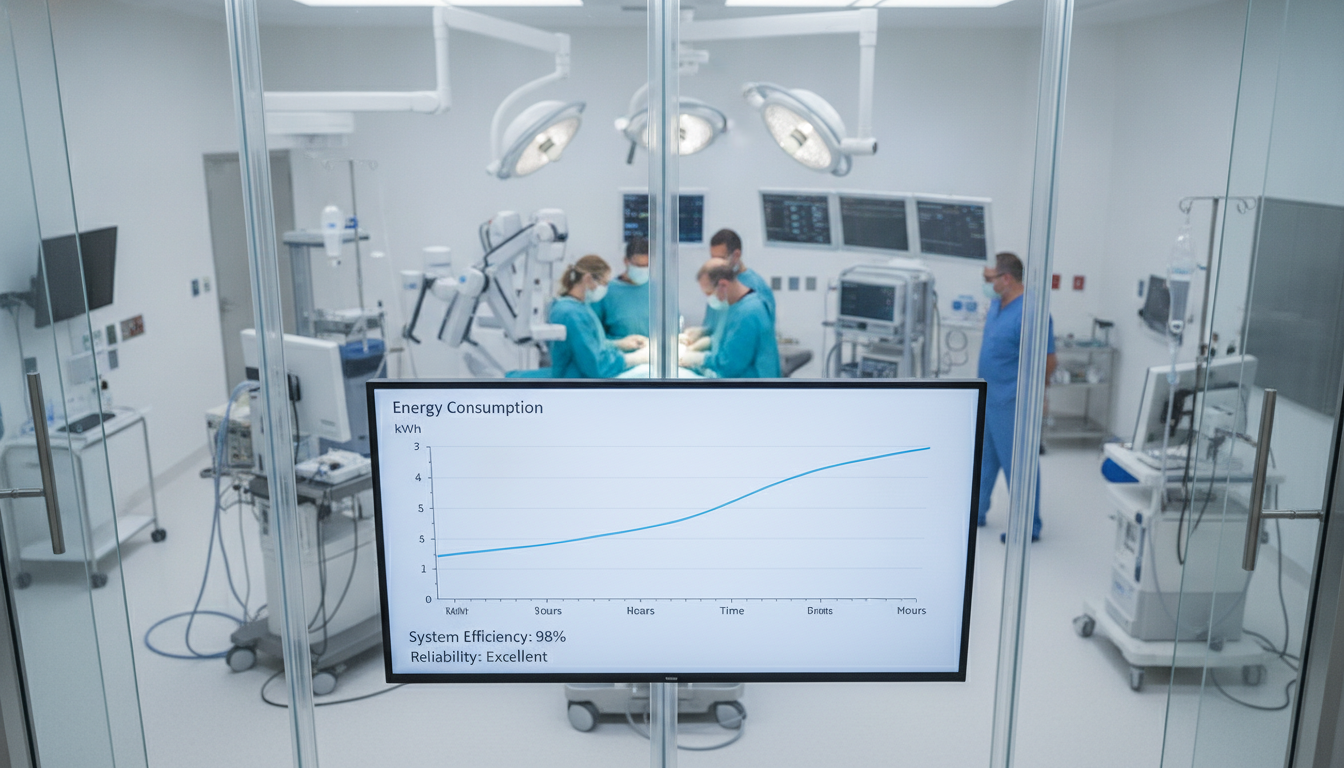
Healthcare administrators in Grand Rapids face a unique and critical challenge: maintaining uncompromised patient care and operational integrity while simultaneously protecting baseline cash flow from volatile energy costs. For clinics, surgery centers, and senior living facilities, consistent power reliability, precise climate control for sensitive equipment and patient comfort, and strict compliance are non-negotiable. Yet, managing the intricate dance between continuous, high-demand operations and the complexities of the deregulated ERCOT grid in Grand Rapids can lead to unexpected spikes in commercial electric bills, threatening budget stability and operational predictability.
Navigating Grand Rapids’ Energy Landscape for Healthcare
Healthcare facilities in Grand Rapids, Michigan, operate within a unique energy environment, navigating the complexities of the deregulated ERCOT grid. Unlike other regions, Grand Rapids businesses on this grid have the power to choose their Retail Electric Provider (REP), presenting both opportunities and challenges. While the physical infrastructure—lines, smart meters, and grid hardware—is maintained by Transmission and Distribution Service Providers (TDSPs), such as hypothetical entities operating within this assumed Grand Rapids ERCOT framework, facility managers and corporate executives hold the total legal right to shop the open market for a custom REP agreement. This choice is vital for controlling one of the largest operational expenses.
The Healthcare Energy Imperative: Reliability Meets Economy
For Grand Rapids healthcare facilities, energy is not just a utility; it’s a lifeline. Uninterrupted power is critical for life-sustaining equipment, secure patient data systems, climate-controlled environments for sterile procedures, and overall patient safety. This continuous, heavy baseline operation—from hospital air filtration systems to MRI machines—interacts directly with peak demand charges (kW), which can significantly inflate commercial electric bills. Understanding and proactively managing these peaks, especially during potential 4CP (Four Coincident Peak) windows, is paramount to avoiding severe contract spikes and protecting tight operational budgets.
Unmasking Hidden Costs and Contract Traps
Many commercial energy contracts, especially those not tailored to the specific demands of healthcare, can harbor hidden pass-through costs that cause unexpected budget volatility. These might include charges related to transmission and distribution, ancillary services, or market congestion that get passed directly to the consumer, often without clear communication. Without an expert partner, Grand Rapids healthcare facilities risk signing agreements that don’t account for their unique consumption patterns, leaving them vulnerable to market fluctuations and punitive fees for exceeding bandwidth allowances or failing to manage demand effectively.
Proactive Strategies to Lower Commercial Electric Bills
ElectricityPartners.com empowers Grand Rapids healthcare facilities to transform their energy procurement from a reactive expense into a strategic asset. Our approach focuses on securing affordable commercial electricity and natural gas solutions that drive growth and operational success.
Tailored Energy Solutions for Healthcare
We act as a dedicated guide, helping facilities analyze their unique consumption patterns, identify critical load requirements, and structure energy plans that prioritize reliability and cost predictability. This includes:
- Custom Rate Structures: Securing fixed-rate security or blended rate options that mitigate exposure to volatile market pricing, crucial for long-term budget stability.
- Demand Charge Management: Implementing strategies to reduce peak demand charges (kW), which are a significant component of healthcare facilities’ commercial electric bills.
- Contract Optimization: Navigating the complexities of REP agreements to eliminate hidden pass-through costs and ensure transparent pricing.
- Redundancy Planning: For facilities requiring absolute baseline stability and dual-feed redundancy protection, we assist in structuring plans that account for these critical infrastructure needs.
ElectricityPartners.com: Your Strategic Energy Ally
At ElectricityPartners.com, we simplify the often-daunting process of energy procurement. Our 1-2-3 switching process is designed for efficiency and clarity:
- Enter your zip code or upload a recent bill: Provide us with basic information about your Grand Rapids healthcare facility’s energy usage.
- Compare tailored rates and risk structures: We present you with custom commercial electricity solutions from multiple providers, specifically designed for your operational needs and risk tolerance.
- Sign up or consult with an expert in minutes: Secure your new energy plan or speak directly with one of our specialists for personalized guidance.
We specialize in:
- Parsing layered corporate quotes to reveal true costs and benefits.
- Navigating meter drops for brand-new commercial healthcare facilities.
- Checking bandwidth allowances for highly variable operational cycles, ensuring no unexpected overage charges.
- Advising on strategies to minimize exposure to 4CP charges.
- Ensuring contract terms align with the critical uptime requirements of medical equipment.
Conclusion
For Grand Rapids, Michigan healthcare facilities, actively managing energy procurement is not just about saving money; it’s about safeguarding patient care, ensuring operational continuity, and protecting financial stability. Partnering with ElectricityPartners.com means gaining an expert ally dedicated to securing cost-effective Grand Rapids, Michigan business energy solutions. We empower your facility with affordable commercial electricity and natural gas to drive growth and operational success.
Ready to protect your operational budget and secure a tailored, cost-effective energy plan designed for your Grand Rapids, Michigan facility? Learn more about how to lower commercial electric bill Grand Rapids, Michigan. Call 866-515-8297 today to speak directly with our commercial energy experts.
FAQ Section
How do commercial move-in dates affect contract start times for new Grand Rapids healthcare facilities?
When establishing a new healthcare facility or relocating in Grand Rapids, coordinating your energy contract start date with your operational move-in is crucial. Commercial energy providers require specific lead times to set up accounts and ensure meter activation. An expert energy partner can help bridge this gap, ensuring seamless power continuity from day one and avoiding costly temporary service or delays in patient care readiness. They can also ensure that the initial contract terms align with your facility’s projected operational ramp-up, preventing over-commitment or under-provisioning.
How can Grand Rapids healthcare facilities manage peak demand charges for complex medical equipment?
Peak demand charges (kW) are a significant component of commercial electric bills, particularly for healthcare facilities with high-power medical equipment. These charges are based on the highest point of electricity consumption within a billing cycle, even if it’s for a short duration. Effective management involves understanding your facility’s load profile, identifying equipment that contributes most to peak demand, and potentially implementing demand-side management strategies. An energy expert can analyze your historical usage data to pinpoint peak events and recommend contract structures or operational adjustments that mitigate these costly charges, such as specialized time-of-use rates or demand response programs.
What hidden pass-through fees should Grand Rapids healthcare facilities look for in corporate provider quotes?
Commercial energy quotes can sometimes contain opaque pass-through fees that significantly impact the total cost of electricity. These might include charges for transmission and distribution losses, ancillary services, congestion management, or specific grid reliability add-ons. It’s essential to scrutinize the “terms and conditions” or “riders” section of any contract. An experienced energy consultant can help facility managers identify and clarify these charges, negotiate more favorable terms, or recommend providers with transparent pricing structures, ensuring that the quoted supply rate truly reflects your anticipated expenses without unexpected additions.