Mastering Peak Demand: How Texas Restaurants Can Smarter Compare Commercial Energy Plans TX

Texas restaurants can cut energy costs and boost profits by strategically comparing commercial electricity plans and managing peak demand.
Mastering Peak Demand: How Texas Restaurants Can Smarter Compare Commercial Energy Plans TX

Texas restaurateurs operate on razor-thin margins, constantly battling rising food costs, labor shortages, and fierce competition. Yet, an often-overlooked profit drain silently lurks in the background: energy expenses, particularly the insidious impact of peak demand charges. For fine dining establishments, bustling quick-service franchises, cozy cafes, lively bars, and efficient ghost kitchens across the Lone Star State, managing the intense energy spikes during lunch and dinner rushes isn’t just about saving a few dollars – it’s about protecting the very viability of your business. The deregulated ERCOT grid offers choice, but without a strategic approach, those moments of peak operational intensity can trigger massive penalties that erode your hard-earned revenue.

The Hidden Cost of Success: Peak Demand in the Kitchen and Dining Room

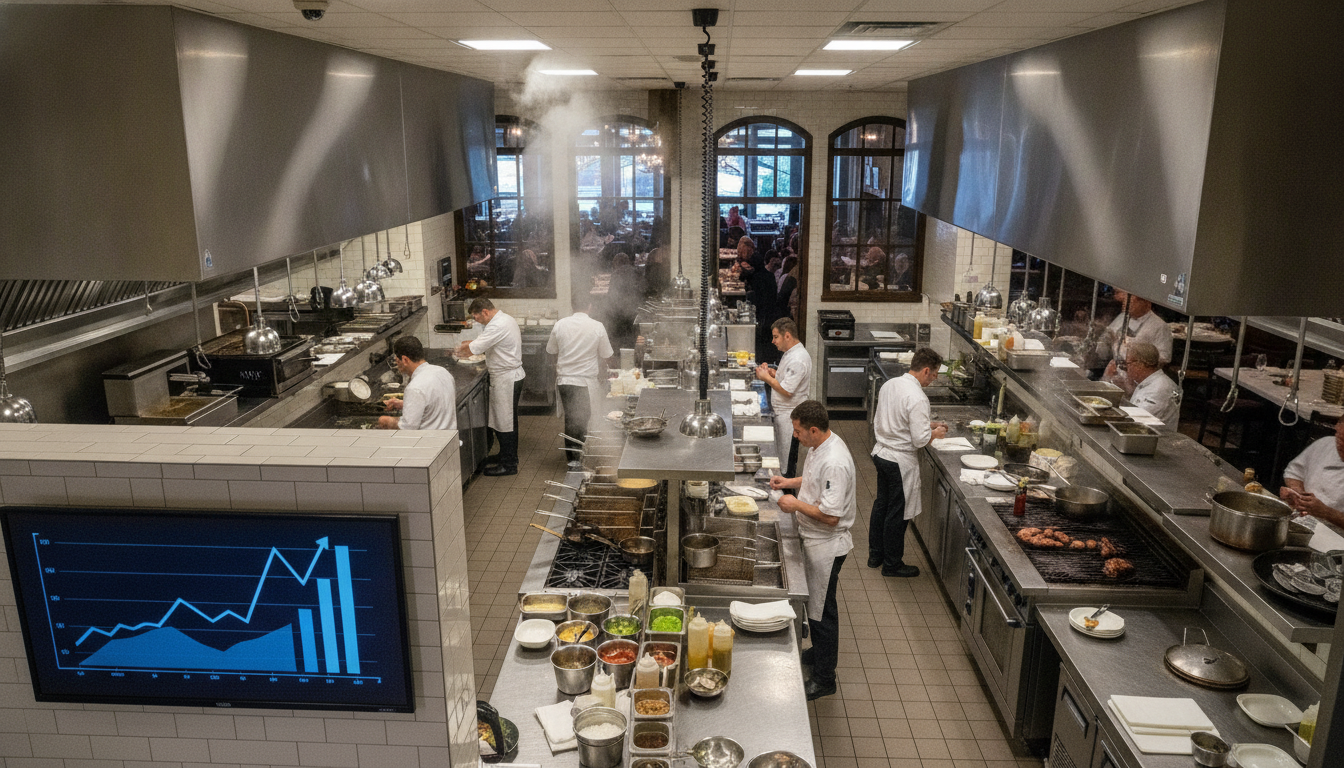
Every commercial kitchen is a powerhouse of energy consumption. Walk-in freezers hum continuously, commercial ovens bake and roast, fryers sizzle, and heavy-duty ventilation hoods work tirelessly to maintain air quality. In the dining room, powerful HVAC systems labor to keep guests comfortable during scorching Texas summers, a challenge compounded by constant door openings and the heat spilling from the kitchen.

These operational necessities create significant peak demand (kW) events. Unlike volumetric consumption (kWh), which measures total energy used over time, peak demand charges are levied based on the highest point of energy draw within a billing cycle, often for just a 15-minute interval. For a restaurant, this means that even if you’re energy-efficient for most of the day, a coordinated rush of oven use, fryer activity, and AC cycling during a busy dinner service can disproportionately inflate your entire month’s electricity bill. While local utilities (TDSPs like Oncor, CenterPoint, AEP, or TNMP) maintain the physical infrastructure, the power to choose your Retail Electric Provider (REP) and secure a contract that mitigates these risks lies squarely with you.

Structuring Contracts to Conquer Peak Penalties

The key to navigating these peak demand challenges is a sophisticated understanding of your restaurant’s unique load profile and a tailored energy procurement strategy. Generic energy plans rarely account for the specific operational rhythms of a restaurant. Instead, strategic energy management involves analyzing historical usage, predicting future demand, and negotiating contract terms that account for these critical peak moments. This is where the value of a dedicated energy partner becomes indispensable. They can help you compare commercial energy plans tx that are specifically designed to address the volatility of restaurant operations, rather than simply offering the lowest advertised kWh rate.

ElectricityPartners.com: Your Recipe for Energy Savings

At ElectricityPartners.com, we understand the unique energy demands of the Texas food service industry. Our core message is clear: we provide cost-effective Texas business energy solutions that empower facilities with affordable commercial electricity and natural gas to drive growth and operational success. We act as your expert partner, a dedicated guide to navigate contract complexities, analyze your unique consumption patterns, and secure custom commercial energy solutions. This allows you to focus on what you do best: delivering exceptional culinary experiences.

Streamlined Energy Procurement for Texas Restaurants

We simplify the process of securing the right energy plan for your restaurant or franchise portfolio. Our approach includes:

  • Granular Load Profiling: Deep analysis of your specific energy consumption, differentiating between consistent base loads (refrigeration) and peak-driven events (cooking surges, HVAC spikes).
  • Aggregating Multiple Locations: For restaurant groups and quick-service (QSR) franchisees, we can aggregate the power load of multiple locations to command better wholesale rates and streamline billing, ensuring consistency across your portfolio.
  • Risk-Mitigation Contract Structures: Negotiating terms that protect against unforeseen market volatility and minimize exposure to peak demand penalties, allowing you to confidently compare commercial energy plans tx that suit your operational reality.
  • Transparent Billing & Support: Ensuring you understand every line item on your bill and providing ongoing support to adapt to changing market conditions or operational needs.

The 1-2-3 Switching Process:

Securing a better energy rate with ElectricityPartners.com is designed to be simple and efficient:

  1. Enter your zip code or upload a recent bill: We gather the essential data to understand your current situation.
  2. Compare tailored rates and risk structures: We present options specifically designed for your business, not generic offers.
  3. Sign up or consult with an expert in minutes: Make an informed decision with our guidance, quickly and confidently.

Conclusion

In the competitive world of Texas food service, every dollar saved on overhead directly impacts your bottom line. By proactively addressing peak demand charges and strategically choosing your energy plan, you can safeguard your profit margins and ensure that your focus remains squarely on food quality, staff training, and delivering an unforgettable guest experience. Don’t let energy costs be an unpredictable variable in your success equation.

Ready to secure a tailored, cost-effective energy plan designed for your Texas restaurant or franchise? Call 866-515-8297 today to speak directly with our commercial energy experts.

FAQ Section:

How does commercial refrigeration impact my restaurant’s base energy load?

Commercial refrigeration units, including walk-in freezers and coolers, are critical to food safety and operate continuously. They represent a significant portion of a restaurant’s base energy load, meaning they draw power consistently throughout the day and night. While efficient units can help, their continuous operation is a constant factor in overall energy consumption, separate from the spikes caused by cooking equipment.

Can I manage my restaurant’s energy use effectively during off-peak hours?

Absolutely. While peak dining hours drive demand charges, managing energy during off-peak times can still contribute to overall savings. Implementing practices like ensuring equipment is fully turned off when not in use, optimizing kitchen ventilation schedules, and utilizing smart thermostats for dining room climate control during closed hours can reduce volumetric consumption (kWh) and support a better overall energy profile.

What if my restaurant property has multiple meters?

It’s common for larger restaurant properties, especially those with separate buildings, outdoor patios, or shared spaces, to have multiple electricity meters. This can complicate energy procurement, as each meter might be on a different contract or rate structure. An energy partner can help aggregate these multiple meters, analyze their individual and combined load profiles, and negotiate a unified or optimized energy strategy across all connections, simplifying billing and potentially securing better rates.

Shop Texas Business Energy Rates
Switching Business Electricity Providers is as easy as 1-2-3!

We know your time is valuable. That’s why we’ve made switching business electricity providers as easy as 1-2-3. Compare rates, choose your provider, and start saving today. Don’t wait! Secure a great commercial electricity rate today.

1. Enter Your Zip Code

See the best business electricity rates available in your area instantly.

2. Choose your perfect Rate

Compare rates and features to find the one that fits your needs.

3. Sign Up In Minutes

Our simple online process makes switching providers a breeze.

Scroll to Top