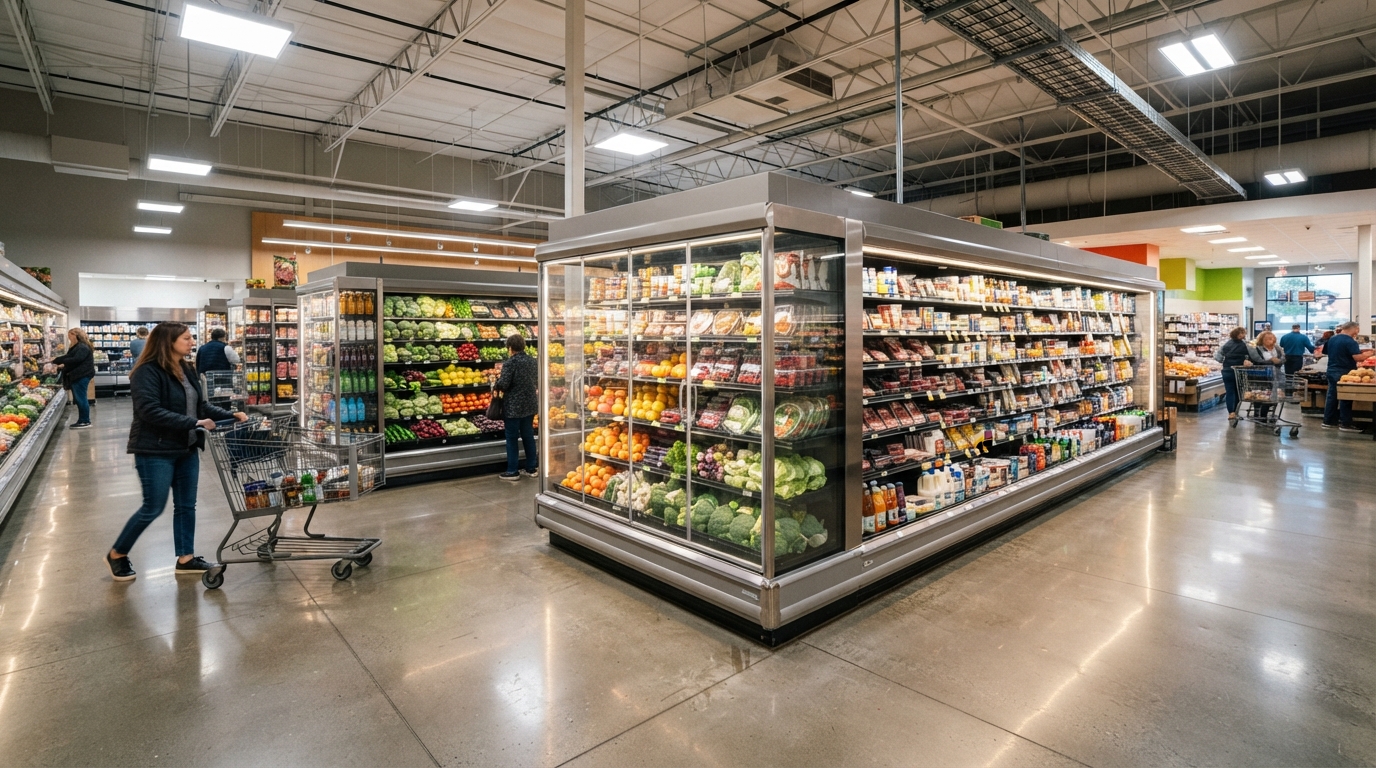
Operating a sprawling big box retail location or a high-volume grocery supermarket in Michigan is a capital-intensive endeavor where operational margins are perpetually under pressure. Sprawling square footage, continuous high-bay overhead lighting, sprawling commercial refrigeration aisles, and heavily utilized HVAC systems create a massive, non-stop electrical demand. Every time front automatic doors open, indoor climate systems spike to offset external thermal loss. When these energy-intensive dynamics collide with fluctuating utility rates, power overhead can quickly become one of your largest unmanaged balance sheet expenses. To maintain profitability, regional directors and general managers must proactively manage their power load and know precisely when and how to switch commercial electricity providers Michigan businesses rely on to lock in long-term financial predictability.
Understanding the High Energy Intensity of Grocery and Big Box Footprints
Unlike standard office spaces or small boutique storefronts that follow predictable operating hours, big box retailers and grocery supermarkets experience complex load profiles. Supermarkets, in particular, run heavy commercial refrigeration systems 24 hours a day, 7 days a week, 365 days a year. A single momentary loss of efficiency or exposure to peak market rate surges can significantly erode store profit margins.
Furthermore, commercial electricity billing is governed by two primary operational components: total consumption (measured in kilowatt-hours) and peak demand (measured in kilowatts). Peak demand charges represent the highest level of electrical power drawn by a facility during a specific billing cycle. For large retail footprints running massive compressor racks, intensive rooftop unit (RTU) HVAC arrays, and continuous high-intensity discharge or LED lighting, peak demand spikes can account for a massive percentage of the monthly electric bill.
Grid Reliability vs. Retail Supply Procurement
Many retail operations managers mistakenly assume that purchasing energy means relying entirely on their regional electric utility for both grid maintenance and supply pricing. However, the physical delivery infrastructure—including power lines, substations, and emergency restoration—remains the sole domain of the local utility company (such as regional TDSPs). Meanwhile, Michigan business owners retain the right to procure their retail electricity supply from alternative suppliers who offer custom pricing structures and competitive terms.
By taking control of supply procurement, store leadership can uncouple their operating budget from default local utility service rates and insulate their bottom line against unpredictable market spikes.
Strategic Procurement: Mitigating Margin Compression
To insulate heavy retail operations from price volatility, decision-makers must evaluate how their supply contracts handle bandwidth clauses, demand management, and pass-through charges. A standard off-the-shelf energy contract rarely accommodates the continuous thermal and power demands of a 100,000-square-foot retail floor or a 24-hour grocery layout.
By partnering with experienced commercial electricity brokers Michigan retail managers can perform granular load assessments to determine whether fixed-rate security, block-and-index pricing, or customized hybrid risk structures best fit their operational profiles. Securing a fixed-rate supply contract ensures that energy costs per unit remain consistent regardless of seasonal demand surges, allowing finance teams to forecast operating expenses with absolute precision.
How Electricity Partners Streamlines Commercial Energy Procurement
At ElectricityPartners.com, we specialize in delivering Cost-Effective Michigan Business Energy Solutions that empower facilities with affordable commercial electricity and natural gas to drive growth and operational success. Acting as a dedicated guide, Electricity Partners analyzes unique consumption patterns, demystifies complex contract structures, and negotiates directly with top-tier suppliers on your behalf.
Our tailored approach helps retail operations resolve supply challenges through:
- Granular Load Profiling: Analyzing hourly consumption data to identify peak demand spikes caused by HVAC and refrigeration systems.
- Custom Risk Mitigation: Structuring fixed and layered contract terms to eliminate budget uncertainty across expansive retail footprints.
- Market-Competitive Sourcing: Leveraging extensive industry relationships to secure custom commercial energy solutions tailored specifically to Michigan retail facilities.
- Seamless Provider Transitions: Managing the end-to-end switching process without any interruption to your daily store operations or grid connection.
Navigating Contract Terms with Complete Transparency
Evaluating commercial supply agreements requires a deep understanding of energy contract fine print. Items such as capacity charges, transmission peak management, and regulatory compliance fees can substantially impact your total energy spend if not properly structured. Working with specialized commercial electricity brokers Michigan store owners gain access to customized supplier networks and wholesale market insights that standard utility default plans simply cannot offer.
The Simple 3-Step Switching Process
Transitioning your facility to a optimized commercial energy plan with Electricity Partners is straightforward, transparent, and fast:
- Submit Your Baseline Data: Enter your facility zip code or upload a recent commercial electric bill to start your load assessment.
- Compare Tailored Options: Review custom pricing structures, contract durations, and risk-mitigation terms designed around your retail operating hours.
- Execute and Save: Sign up or consult directly with an expert in minutes to lock in your custom commercial strategy.
Protect Your Retail Operating Margins Today
In the high-stakes retail sector, controlling overhead costs is directly linked to store profitability. Decisive leaders do not leave their energy overhead to chance or settle for default utility rates. By taking a proactive approach to procurement, you can transform a major operational expense into a predictable, strategic advantage.
Ready to secure a tailored, cost-effective energy plan designed for your Michigan retail store or franchise portfolio? Call 866-515-8297 today to speak directly with our commercial energy experts.
Frequently Asked Questions
How do peak demand charges impact large grocery stores and big box retailers?
Peak demand charges are calculated based on the maximum amount of power your facility draws during a specific time interval within a billing cycle. In high-demand environments like grocery stores and big box locations—where refrigeration racks, high-bay lighting, and large HVAC units run simultaneously—these demand spikes can represent a major portion of your monthly bill. Proper contract structuring and demand management strategies help mitigate these costs.
Will switching commercial electricity providers interrupt daily store operations?
No, switching your retail electric supplier involves zero physical interruption to your power supply. Your local electric utility will continue to deliver power over the existing lines, maintain the local grid, and service physical infrastructure. The only change occurs on the billing side, where your supply rates transition seamlessly to your newly negotiated supply contract.
How does custom energy procurement help protect against seasonal consumption spikes?
Custom commercial energy procurement allows facilities to select pricing structures—such as fully fixed-rate contracts—that lock in supply pricing regardless of weather conditions or extended seasonal shopping hours. Additionally, strategic contract provisions like flexible bandwidth clauses protect businesses from financial penalties when energy consumption fluctuates during peak retail seasons.